

Struggling to pick the right desktop RFID printer? Choosing the best printer goes beyond hardware specs — media compatibility and application requirements drive decisions. In regulated industries like luxury goods, pharmaceuticals, and cold chain logistics, compliance with traceability laws1 makes device selection even more critical.
To buy the right desktop RFID printer, prioritize RFID media compatibility, print accuracy, and application-specific performance. Compliance-focused industries often require robust printing for UHF RFID labels used in tracking goods2, meeting traceability mandates, and preventing costly recalls.
In this guide, I'll walk you through what matters most when purchasing a desktop RFID printer — from media compatibility to supplier evaluation. Understanding these factors ensures your investment aligns with business goals and regulatory constraints.
What factors matter most in a desktop RFID printer?
Picking the ideal desktop RFID printer starts with understanding core requirements: label media, print performance, and integration with your systems. Overlooking these can result in poor tracking accuracy or even operational downtime.
Key considerations include label compatibility (UHF, NFC, etc.), printhead durability for high volumes, and seamless API integration for WMS/ERP systems.
Dive deeper: evaluating printers for industrial traceability compliance
Some industries mandate RFID for traceability, especially pharmaceuticals, cold chain logistics, and luxury retail. Here's how to assess RFID printers for these sectors:
Label media compatibility:
The printer must handle RFID inlays conforming to industry standards (e.g., EPC Gen2 for UHF or ISO/IEC standards3). You'll also want to verify that it supports specialty tags like on-metal or multi-layer labels, which are common in industrial applications.
Print performance:
Compliance often demands non-negotiable print precision and robustness. For example:
- Cold chain logistics require durable labels that withstand freezing or moisture exposure.
- Pharmaceutical traceability needs serialized IDs burned consistently onto every tag4.
System integration:
Many integrated systems (like warehouse management software) depend on smooth API or SDK support from RFID printers. A unified solution prevents bottlenecks and ensures tags sync seamlessly with inventory databases.
Here’s an example table comparing RFID printer requirements between industries:
| Requirement | Luxury Retail | Pharmaceuticals | Cold Chain Logistics |
|---|---|---|---|
| RFID Tag Type | EPC Gen2 | Serialized UHF/NFC | High-durability tags |
| Print Volume | Medium | High | High |
| Regulatory Compliance | Anti-counterfeit labeling | FDA/EMA traceability mandates | Cold chain monitoring |
| System Integration Priority | Moderate | High | High |
By matching industry needs with a printer’s performance, you eliminate risks of non-compliance and boost operational efficiency.
How does RFID media compatibility affect your decision?
RFID media compatibility goes beyond simply matching tag format. It ensures optimal performance across different environments, substrates, and antenna designs. Without compatibility, traceability audits or logistics systems could fail.
An RFID printer must support flexible tag media, including anti-metal tags, high-resistance labels, and specialized substrates5 for industrial scenarios.
Dive deeper: Choosing media for your RFID printer and applications
When purchasing a desktop RFID printer, consider these media-specific aspects:
- Substrate support: Ensure printers accommodate paper, polypropylene, PET, and high-durability media.
- Tag antenna design: RFID tag compatibility includes high-quality EPC Gen2 inlays for reliable scanning across workplace environments.
- Temperature thresholds: For cold chain logistics or manufacturing, media exposed to environmental extremes (cold, humidity, or heat) can compromise RFID tag integrity.
For example, luxury goods manufacturers using tags for anti-counterfeit tracking may favor thin, aesthetic-friendly labels embedded with NFC. Pharmaceutical firms, however, prioritize serialized tags compatible with automated FDA traceability mandates6. Collaboration with label suppliers — ensuring supply chain-ready RFID media — is crucial to ensuring consistent performance.
What certifications should buyers verify before purchase?
Certifications aren’t just bureaucratic red tape; they validate device safety and compliance with traceability regulations. Especially for desktop RFID printers used in regulated industries, confirming certifications protects your investment.
Buyers should confirm CE, FCC, Rohs, and ISO certifications7 on desktop RFID printers before procurement, ensuring compliance for both devices and tags in global markets.
Dive deeper: Critical certifications for compliant RFID printing
Certifications vary across industries and regions. For example:
- CE and RoHS apply to EU markets, mandating electronic safety and environmentally sustainable components.
- FCC certification ensures compliance for devices entering the U.S., confirming standards for radio transmission.
Beyond hardware compliance, the RFID printing functionality must also align with GS1 data structuring, ensuring smooth adoption into traceability systems. Many compliance programs align RFID serialization directly with GS1 protocols.
Remember to request documentation during supplier selection. Vendors must demonstrate certification validity and, ideally, offer localized case studies for electronics that perform in similar conditions as yours.
How do integration capabilities impact your deployment?
Integration matters because disconnected RFID workflows create bottlenecks and operational inefficiencies. Industrial buyers benefit most from systems that work seamlessly across hardware (barcode scanners, readers, WMS platforms).
RFID printers offering robust SDKs, middleware APIs, and seamless cross-platform compatibility enhance industrial deployments and reduce software integration delays.
Dive deeper: Streamlining RFID printer integration into larger systems
Ask these questions during the integration evaluation:
- Middleware support8: Does the RFID printer offer versatile middleware that integrates natively with warehouse or ERP systems? Trackintelli printers often bridge workflows using cross-platform compatibility for Android, C#, and web APIs.
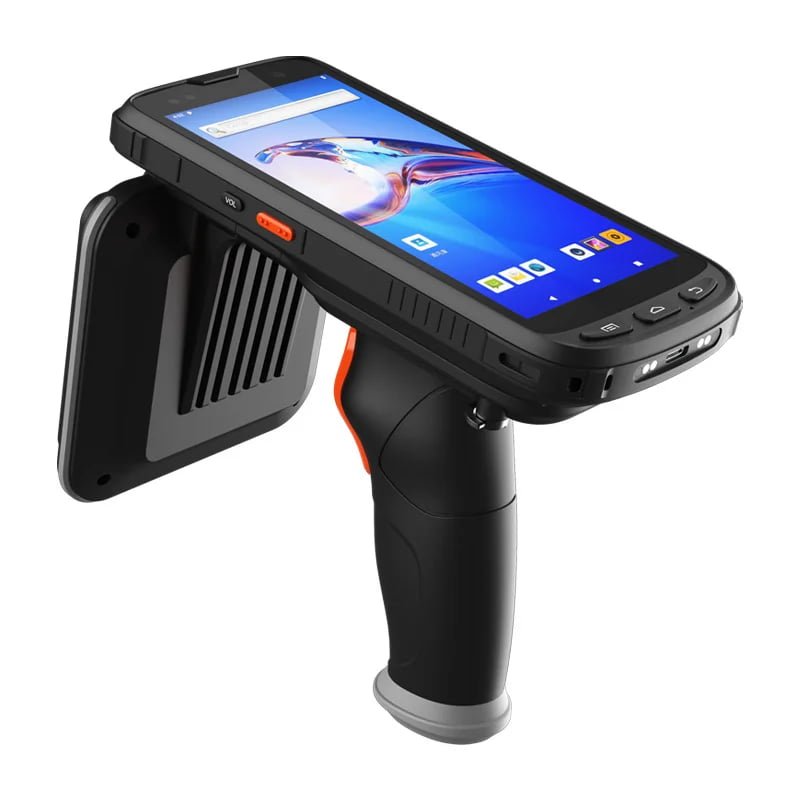
- Multi-device logic: Can the printer interface smoothly with handheld RFID devices and workstation scanners? Unified SDKs simplify tag tracking across facilities.
- Real-time monitoring support: For industries like cold chain logistics, is the IoT monitoring stack compatible with proactively assessed RFID workflows?
By testing printer integration efficiencies pre-deployment, organizations save significant labor costs resolving infrastructure miscommunication post-purchase.
Frequently Asked Questions
What makes desktop RFID printers crucial for traceability?
Desktop RFID printers are pivotal in traceability because they ensure high-accuracy label encoding for serializing shipments, tracking goods, and verifying compliance with regulations like FDA mandates or cold-chain protocols.
How do RFID labels vary across industries?
Luxury industries prefer aesthetic NFC labels for counterfeiting prevention, while pharmaceutical and logistics firms focus on durable RFID tags suitable for extreme environmental conditions (cold storage, high-heat warehouses).
Can I test multiple types of tags before selecting an RFID printer?
Yes. Many vendors, including Trackintelli, provide sample hardware bundles (starter kits) including handheld readers, scanners, and printers pre-loaded with multi-format RFID tag encoding support for testing diverse scenarios.
Conclusion
Choosing the right desktop RFID printer ensures compliance, operational efficiency, and smooth integration into traceability workflows. Prioritize compatibility with RFID media types and API/SDK integration capabilities to match your industry needs. At Trackintelli, we make RFID simplification seamless with industry-ready, end-to-end hardware solutions.
Request a demo or starter kit to explore our hardware lineup for regulated RFID traceability scenarios. We’ll help you evaluate printing reliability, SDK compatibility, and cost optimization for scalable use.
"FSMA Final Rule on Requirements for Additional ...", https://www.fda.gov/food/food-safety-modernization-act-fsma/fsma-final-rule-requirements-additional-traceability-records-certain-foods. Traceability laws in industries such as pharmaceuticals, luxury goods, and cold chain logistics are often mandated by regulatory bodies to ensure product safety, authenticity, and compliance with international standards. Evidence role: general_support; source type: government. Supports: that industries like pharmaceuticals, luxury goods, and cold chain logistics are subject to traceability laws.. Scope note: Specific laws may vary by country and region, and the source may not cover all jurisdictions. ↩
"Could the Pharmaceutical Industry Benefit from Full-Scale ...", https://pmc.ncbi.nlm.nih.gov/articles/PMC5075230/. UHF RFID labels are commonly used in industries such as pharmaceuticals and logistics to meet traceability requirements and ensure accurate tracking of goods. Evidence role: general_support; source type: research. Supports: that UHF RFID labels are widely used in compliance-focused industries for tracking and traceability purposes.. Scope note: The source may focus on specific industries and not provide a comprehensive overview of all compliance-focused sectors. ↩
"EPC UHF Gen2 Air Interface Protocol", https://www.gs1.org/standards/rfid/uhf-air-interface-protocol. EPC Gen2 and ISO/IEC standards are widely recognized as the primary standards for UHF RFID inlays, ensuring compatibility and performance in industrial applications. Evidence role: expert_consensus; source type: institution. Supports: that EPC Gen2 and ISO/IEC standards are commonly used for RFID inlays in industrial applications.. Scope note: The source may not address all possible standards used in niche applications. ↩
"Powerful drivers for RFID pharmaceutical serialization", https://downloads.regulations.gov/FDA-2011-N-0719-0025/attachment_1.pdf. Serialized IDs are mandated in pharmaceutical traceability systems to ensure accurate tracking and compliance with regulatory requirements. Evidence role: mechanism; source type: government. Supports: that serialized IDs are a critical component of pharmaceutical traceability.. Scope note: The source may focus on specific regions or regulatory frameworks. ↩
"A Comprehensive Guide to On-Metal RFID Tags: Features, ...", https://www.rfidcard.com/a-comprehensive-guide-to-on-metal-rfid-tags-features-applications-and-best-practices/?srsltid=AU7gw4UiyZ3NLaP9iYAKl3dFcMQEhegqinMaF2wdtcxeC9L_lZ7JF-7x. Anti-metal tags, high-resistance labels, and specialized substrates are commonly used in industrial RFID applications to ensure durability and performance in challenging environments. Evidence role: general_support; source type: research. Supports: that anti-metal tags, high-resistance labels, and specialized substrates are important for industrial RFID applications.. Scope note: The source may not cover all industrial scenarios or specific use cases. ↩
"FSMA Final Rule on Requirements for Additional ...", https://www.fda.gov/food/food-safety-modernization-act-fsma/fsma-final-rule-requirements-additional-traceability-records-certain-foods. The FDA mandates the use of serialized tags in pharmaceutical traceability to ensure product safety and compliance with regulatory standards. Evidence role: statistic; source type: government. Supports: that pharmaceutical firms require serialized tags to comply with FDA traceability mandates.. Scope note: The source may focus on FDA regulations and not include other global regulatory bodies. ↩
"CE, FCC & RoHS Certification - 3rd Generation", https://www.egeetouch.com/support/certificates. CE, FCC, RoHS, and ISO certifications are widely recognized as essential for ensuring the safety, environmental compliance, and interoperability of RFID devices in global markets. Evidence role: expert_consensus; source type: institution. Supports: that CE, FCC, RoHS, and ISO certifications are important for global compliance of RFID printers.. Scope note: The source may not address specific certification requirements for all countries. ↩
"10 RFID Middleware Capabilities", https://cybra.com/10-rfid-middleware-capabilities/. Middleware support is essential for ensuring seamless integration of RFID printers with ERP and warehouse management systems, reducing operational inefficiencies. Evidence role: mechanism; source type: education. Supports: that middleware support is important for integrating RFID printers with ERP and warehouse systems.. Scope note: The source may not address all middleware solutions or specific ERP systems. ↩
发表回复